Video Production & Filming
Video content has become the dominant form of communication across television, streaming platforms, and social media. Whether you’re watching a blockbuster series, a corporate presentation, or a creator’s vlog, every frame represents countless decisions made by skilled professionals. Understanding video production and filming transforms you from a passive viewer into someone who appreciates—and can create—compelling visual stories.
The journey from concept to finished video involves far more than simply pressing record. It encompasses strategic planning, technical expertise, creative vision, and meticulous post-production work. This comprehensive resource breaks down each critical phase, providing you with the foundational knowledge to either appreciate the craft more deeply or begin your own production journey with confidence.
What Makes Video Production a Multi-Stage Craft?
Video production isn’t a single action but rather a sequential process divided into three distinct phases: pre-production, production, and post-production. Think of it like building a house—you wouldn’t start laying bricks without blueprints, and you wouldn’t move in before finishing the interior.
Pre-production involves all planning activities: developing concepts, writing scripts, scouting locations, and assembling your team. Production is the actual filming phase where you capture footage. Post-production encompasses editing, color grading, sound design, and final delivery. Each phase depends on the success of the previous one.
Professional productions allocate significant resources to pre-production because thorough planning prevents costly mistakes during filming. A well-prepared shoot might dedicate weeks to planning for just a few days of actual filming. This ratio ensures that when cameras roll, everyone knows exactly what needs to be accomplished, maximizing efficiency and creative output.
Pre-Production: Laying the Foundation for Success
Every successful video begins with a clear vision. Pre-production transforms abstract ideas into concrete plans that guide the entire production team. This phase answers fundamental questions: What story are you telling? Who is your audience? What resources do you need?
Script development and storyboarding create your visual blueprint. Scripts provide dialogue and action descriptions, while storyboards illustrate how each scene will look on screen. Even simple productions benefit from basic shot lists that outline required footage. These documents become your roadmap, ensuring nothing critical gets overlooked during the hectic filming process.
Location scouting and logistics planning are equally crucial. You’ll need to consider lighting conditions at different times of day, ambient noise levels, power availability, and permissions. A stunning location that seems perfect might prove unusable due to aircraft noise, harsh midday sun, or restrictive access. Experienced producers visit locations multiple times, taking test photos and notes that inform later decisions about equipment and scheduling.
Camera Equipment and Technology Choices
Modern video creators face an overwhelming array of camera options, from smartphones to cinema cameras costing tens of thousands. The good news? Contemporary technology has democratized quality video production, making professional-looking content accessible at various price points.
Camera selection depends on your specific needs rather than simply choosing the most expensive option. Key considerations include:
- Sensor size: Larger sensors generally provide better low-light performance and shallower depth of field for that cinematic look
- Resolution: While 4K has become standard, understanding when higher resolution truly matters prevents unnecessary file size bloat
- Frame rates: Different rates serve different purposes—standard playback versus slow-motion capabilities
- Codec and bit rate: These determine image quality and file sizes, affecting both shooting and editing workflows
Beyond the camera body, lenses profoundly impact your visual style. A versatile lens kit typically includes a wide-angle for establishing shots, a standard zoom for general coverage, and a telephoto for compressed perspectives and subject isolation. Prime lenses (fixed focal length) often deliver superior image quality and wider apertures, while zoom lenses provide flexibility during fast-paced shoots.
Mastering Light: The Cinematographer’s Essential Tool
Cinematographers often say they « paint with light, » and this metaphor captures lighting’s transformative power. Proper lighting doesn’t just make subjects visible—it creates mood, directs attention, reveals texture, and establishes time and place. Understanding lighting fundamentals separates amateur-looking footage from professional content.
The classic three-point lighting setup provides a foundation for countless scenarios. The key light serves as your primary source, establishing the scene’s overall brightness and direction. The fill light softens shadows created by the key light, while the back light (or rim light) separates subjects from backgrounds, adding depth and dimension. Mastering these principles allows you to modify and adapt them creatively rather than following rigid formulas.
Natural light presents both opportunities and challenges. The « golden hour »—shortly after sunrise or before sunset—offers warm, flattering light that elevates production value significantly. Conversely, harsh midday sun creates unflattering shadows and overexposed highlights. Skilled filmmakers learn to work with available light, using reflectors, diffusers, and negative fill to shape natural sources rather than fighting against them.
Artificial lighting instruments range from affordable LED panels to professional tungsten and HMI fixtures. LEDs have revolutionized productions by offering adjustable color temperature, minimal heat output, and battery-powered portability. Understanding color temperature measured in Kelvin helps you match different sources or create intentional contrasts between warm and cool tones.
Audio Quality: The Often Overlooked Priority
Viewers will forgive slightly soft focus or shaky camera work, but poor audio causes immediate abandonment. Paradoxically, audio quality often receives insufficient attention from beginning filmmakers who prioritize visual elements. Professional productions understand that crisp dialogue, immersive ambient sound, and well-designed audio landscapes are non-negotiable.
Camera-mounted microphones rarely deliver acceptable results for serious productions. They sit too far from subjects, capture excessive room echo, and pick up camera handling noise. Instead, invest in dedicated audio solutions:
- Lavalier microphones: Clip-on mics positioned near the speaker’s mouth, ideal for interviews and dialogue
- Shotgun microphones: Highly directional mics mounted on boom poles, allowing precise audio capture while staying out of frame
- Handheld microphones: Perfect for on-camera interviews, presentations, and performance situations
Recording technique matters as much as equipment. Always monitor audio through headphones during filming—visual meters don’t catch subtle issues like wind noise, electronic interference, or clothing rustle. Recording at appropriate levels prevents distortion while maintaining adequate signal-to-noise ratio. Many professionals record separate safety tracks at lower levels as insurance against unexpected peaks that cause clipping.
Filming Techniques That Elevate Your Content
Technical proficiency with equipment means little without understanding composition and camera movement. These visual grammar elements communicate mood, guide viewer attention, and create professional polish that distinguishes compelling content from mere documentation.
The rule of thirds provides a starting point for balanced composition. Imagine dividing your frame into a three-by-three grid—positioning key elements along these lines or at their intersections creates naturally pleasing arrangements. However, like all rules, this one exists to be thoughtfully broken when center framing, symmetry, or other approaches better serve your creative intent.
Camera movement should always serve a purpose beyond mere variety. A slow push-in builds tension or intimacy. A tracking shot following action creates energy and immersion. Static shots convey stability or allow performance to dominate. Unmotivated movement—pans and tilts without clear purpose—appears amateurish and distracts from content.
Shot variety and coverage provide editorial flexibility in post-production. Capturing wide establishing shots, medium shots for interaction, and close-ups for emotion gives editors building blocks to construct compelling sequences. Professional crews shoot far more footage than appears in final edits, knowing that options during editing prove invaluable.
Post-Production: Where Vision Becomes Reality
Raw footage represents potential rather than finished product. Post-production is where scattered clips become cohesive stories through editing, color grading, and sound design. This phase often consumes more time than actual filming, yet its invisible artistry determines whether content succeeds or fails.
Editing establishes pacing, narrative flow, and emotional rhythm. Skilled editors understand that what you remove matters as much as what you include. Trimming pauses tightens pacing, while letting moments breathe creates contemplative space. Cutting on action—transitioning mid-movement—creates seamless continuity that viewers process unconsciously.
Color grading transforms flat, standardized footage into polished visuals with consistent mood and style. Modern cameras often capture in flat profiles that preserve maximum information for post-production adjustment. Colorists then build contrast, adjust white balance, enhance or subdue specific hues, and create distinctive looks that reinforce storytelling intent. Even subtle grading significantly elevates perceived production value.
Sound design layers dialogue, ambient sound, sound effects, and music into immersive audio landscapes. Cleaning dialogue removes background noise and balances levels. Foley artists recreate sounds that weren’t captured cleanly during filming. Music selection establishes emotional tone while respecting pacing and cultural context. The final mix ensures all elements blend cohesively without competing for attention.
Mastering video production and filming requires patience, practice, and continuous learning. Technology evolves constantly, but fundamental principles of storytelling, composition, and technical craft remain constant. Whether you’re creating content professionally or simply want to understand the medium more deeply, each project builds skills that transform how you see and create visual stories.
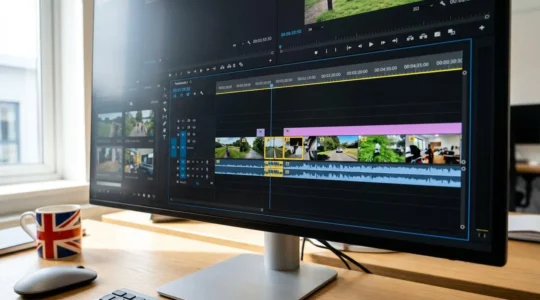
Streamlined Post-Production: When Trimming Becomes a Strategic Step
Post-production timelines have become the invisible bottleneck strangling video output across corporate marketing teams. While shooting might take three hours, the editing room devours weeks. The culprit is rarely technical complexity — it is the sheer volume of raw footage…
Lire la suite
Is it possible to create a TV-ready video using a simple online template?
The UK production landscape has fragmented dramatically. According to IBISWorld’s 2025 sector data, there are now 18,186 film, video, and television programme production businesses operating across the country — a 2.5% increase from the previous year. This explosion of independent…
Lire la suite
Motion data: How can you visualize your KPIs with an animated infographic?
Static spreadsheets and slide decks filled with KPI data rarely spark action. Stakeholders skim them, executives request summaries, and your insights get lost in translation. The core frustration for marketing and communications teams is clear: the effort invested in gathering…
Lire la suite
Are corporate videos still the exclusive domain of production agencies?
The assumption that professional corporate videos require production agencies has dominated business thinking for decades. Marketing directors plan quarterly budgets around agency retainers, communications teams schedule campaigns months in advance to accommodate production timelines, and the idea of creating broadcast-quality…
Lire la suite
Cut Project Turnaround from 12 Days to 5: A Solo Editor’s System for Peak Efficiency
The fastest way to reduce a 12-day edit to 5 is not by editing faster, but by engineering a workflow that eliminates waste before you even open your editing software. Time spent searching for assets or waiting for feedback is…
Lire la suite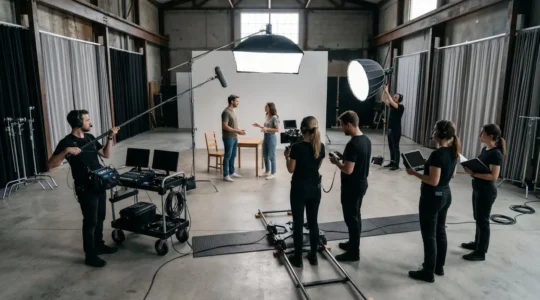
How Can 6-Person Crews Finish Shoots 3 Hours Faster Through Better Coordination?
A 6-person crew’s efficiency isn’t limited by its size, but by its operational systems; fixing the system is cheaper and more effective than hiring a 7th person. On-set chaos, even with veterans, stems from systemic friction and ambiguous communication, not…
Lire la suite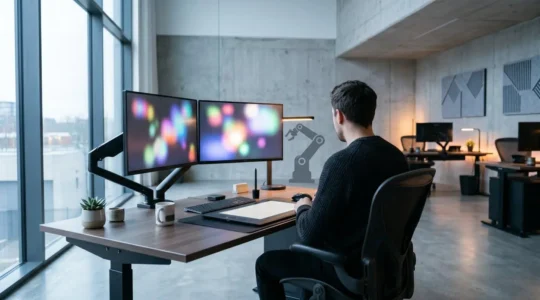
How to Triple Your Animation Speed with Automation—Without Sacrificing Quality
The key to tripling your animation output isn’t replacing your skills with AI; it’s building an intelligent system where automation multiplies the value of your creative time. Automation should target repetitive « cognitive overhead » like rendering and setup, not the core…
Lire la suite
How to Build Unforgettable Channel Recognition with Systemised Visual Branding?
Consistent YouTube branding isn’t about flashy intros; it’s about a smart visual system that respects viewer attention and saves you hours in editing. Prioritise immediate value over long brand animations to cut the viewer drop-off that happens in the first…
Lire la suite
How Can Non-Editors Create Professional Videos in 3 Hours Instead of 30?
In summary: Shifting to a « template-first » mindset is more important than the specific tool you choose. Strategic customisation allows you to make templates look unique without breaking their professional design. Drag-and-drop tools are ideal for social media and explainer videos…
Lire la suite
How Can Storyboards Prevent the Miscommunication That Costs 10 Reshoots?
The core problem on any set is the ‘interpretation gap’—the void between the script and each crew member’s unique mental picture. This gap is the direct cause of costly delays and frustrating reshoots. This guide reframes storyboarding not as an…
Lire la suite